This article provides a comprehensive exploration of the various elements involved in fleet services. From understanding what fleet service is to navigating the complex logistics and finding ways to optimize costs, we delve into the most frequently asked questions and provide detailed explanations to help you make the most of your fleet management strategies. Fleet services constitute essential operations for companies relying on the transportation of goods, vehicles, or personnel, demanding a clear and deep understanding to manage effectively.
Businesses that understand the intricacies of fleet services can streamline operations and significantly reduce expenses. The rising demand for fleet service optimization is fueled by the necessity to manage the moving components efficiently and sustain competitive advantages. In this article, we will unravel the nuances associated with fleet services, offer insights into innovative technologies, and discuss the benefits of effective fleet management practices.
Our examination will benefit both seasoned professionals and newcomers eager to gain a grasp of fleet services. By conceptualizing a holistic picture of what fleet service encompasses, including a myriad of facets from acquisition to compliance, companies can navigate the challenges adeptly. Moreover, the integration of modern software solutions and data analytics has revolutionized the domain, providing unprecedented opportunities for enhancement and efficiency.
What is Fleet Service?
Fleet service is defined as the range of tasks essential for managing a company’s fleet of vehicles to ensure they are operated safely, efficiently, and in compliance with regulations. At its core, it involves vehicle acquisition, maintenance, and utilization strategies that contribute to the overall productivity and cost efficiency of business operations. Understanding these elements aids businesses in devising robust management systems tailored to their specific needs.
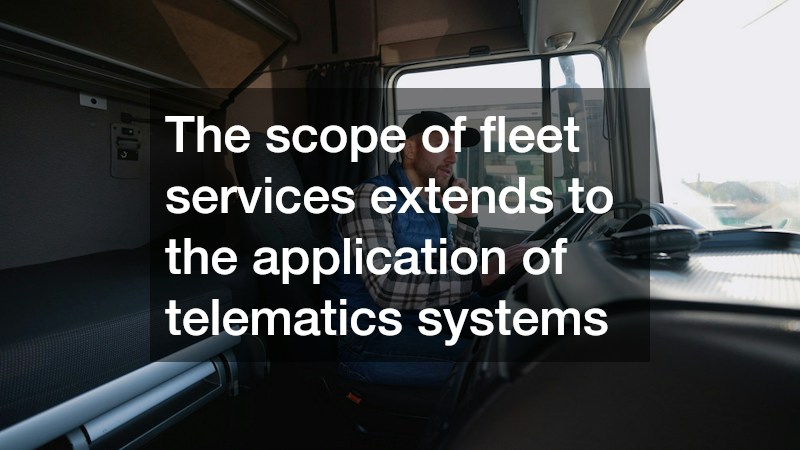
The scope of fleet services extends to the application of telematics systems, which enhance communication and data collection from vehicles. These systems provide real-time insights into vehicle performance, driver behaviors, and route optimization, enabling managers to make informed decisions. Furthermore, ensuring regulatory compliance through meticulous record-keeping and vehicle checks forms a crucial component of effective fleet service management.
In conclusion, fleet services encompass multi-dimensional processes that are underpinned by systematic planning and execution. The integration of contemporary technologies and adherence to compliance requirements are pivotal in securing operational sustainability. By maintaining an overarching view, businesses can adeptly handle their fleets, allowing for streamlined operations and minimized downtime.
Definition and Scope
The definition of fleet service covers integrated efforts aimed at achieving optimal fleet performance. Vehicle acquisition involves strategic planning to purchase or lease vehicles cost-effectively, ensuring alignment with organizational objectives. Subsequent to acquisition, robust maintenance programs ensure that vehicles are maintained in peak condition.
Additionally, fleet services extend to implementing telematics, which involves deploying GPS tracking and diagnostic tools to monitor various vehicle parameters. These tools furnish real-time data, which is invaluable for analyzing vehicle utilization and performance efficiency. Compliance management ensures adherence to national and local regulations, circumventing potential legal pitfalls and penalties.
Understanding the broad scope of fleet services is instrumental for crafting effective management strategies. The continual advancements in technology and operational practices empower businesses to harness data analytics for fleet optimization. As organizations navigate increasingly competitive landscapes, diligent focus on fleet management emerges as a critical success factor.
How Do Fleet Services Work?
Fleet services encompass a synchronized workflow that integrates technological and logistical initiatives to enhance performance and reduce costs. A core component is the use of telematics to provide detailed analytics on current vehicle statuses and overall fleet efficiency. By utilizing telematics, businesses achieve superior vehicle tracking, route planning, and performance metrics.
Furthermore, technological integration spans across cloud-based fleet management software that centralizes data and operations, delivering profound insights into fleet activities. These systems facilitate efficient communication among team members, enhancing productivity and adapting operations to meet dynamic demands. This interconnected structure is crucial for minimizing downtime and maximizing the utility of resources.
The operational methodologies of fleet services are oriented towards optimizing logistics, which includes synthesizing travel routes, managing pickup and delivery schedules, and ensuring safety. The integration of cutting-edge technologies helps managers visualize logistics frameworks, making timely adjustments to mitigate challenges. Thus, fleet management triumphs as a discipline reliant on precision, foresight, and adaptability.
Operations and Technologies
The technological evolution in fleet services highlights significant advancements in actionable insights and automated processes. Operations are fostered by technologies like machine learning and AI, which aid predictive maintenance by offering alerts when potential issues are detected. These predictive tools reduce downtime, minimizing disruptions in vehicle service schedules.
Cloud-based solutions present another facet of technological leverage, where data consolidation and accessibility are seamless, empowering decision-makers with relevant information at their fingertips. Such tools enhance the allocative efficiency of resources while fostering collaborative workflows across various organizational levels.
Technological advancement also extends to vehicle operations, with innovations in autonomous vehicles and electric fleets setting new benchmarks in fuel efficiency and operational sustainability. As such, an organization’s ability to capitalize on such technologies is pivotal in retaining its competitive edge in the ever-evolving economic landscape.
How Can Fleet Service be Optimized for Cost Efficiency?
Effective cost management is a salient feature of successful fleet services, warranting actionable strategies geared towards financial prudence. One focus area is the reduction of fuel consumption through adept route optimization and driver training programs. Such initiatives emphasize fuel-efficient driving behaviors that contribute to substantial cost savings over time.
Regular vehicle maintenance underpins cost efficiency, as it helps prevent expensive repairs by addressing wear and tear proactively. Scheduled maintenance cycles aligned with vehicle usage and telematics data ensure an optimal balance of performance and expenditure. Moreover, investing in newer, more efficient vehicles can mitigate operational costs associated with older fleets.
Data-driven methodologies form the fulcrum of optimizing fleet services, employing analytics to drive insights into operational expenses and identifying areas for savings. By capturing, analyzing, and acting on data concerning vehicle performance, route productivity, and fuel consumption, organizations can implement targeted strategies that amplify cost efficiency.
It is imperative for businesses to recognize and adopt forward-thinking strategies that harness the advancements in technology and data analytics. These strategic investments not only enhance operational capacities but also generate substantial competitive advantages. The combination of technological insight and operational acuity marks the path to fleet service excellence.
In conclusion, embracing a comprehensive, data-driven, and technological approach to fleet management leads to significant enhancements in cost efficiency, compliance, and overall productivity. As the industry landscape continues to evolve, organizations poised to adapt and innovate will lead the way in sustainable fleet management practices.