The aftermath of a roadway incident often leaves drivers focused on the obvious: shattered glass, crumpled metal, and the immediate logistical headache of getting home. However, the true cost of a collision is rarely found on the surface of the car. Beneath the paint and plastic trim of a modern vehicle lies a complex network of sensors, structural reinforcements, and precision-engineered mechanical components that can be compromised by even a low-speed impact. When these hidden issues are overlooked, what began as a minor inconvenience can evolve into a recurring financial drain and a significant safety hazard. To protect both your investment and your family, it is essential to understand how invisible damage manifests and why a thorough diagnostic approach is the only way to ensure a vehicle is truly restored to its pre-accident condition.
Managing Complex Electronic and Sensor Calibration
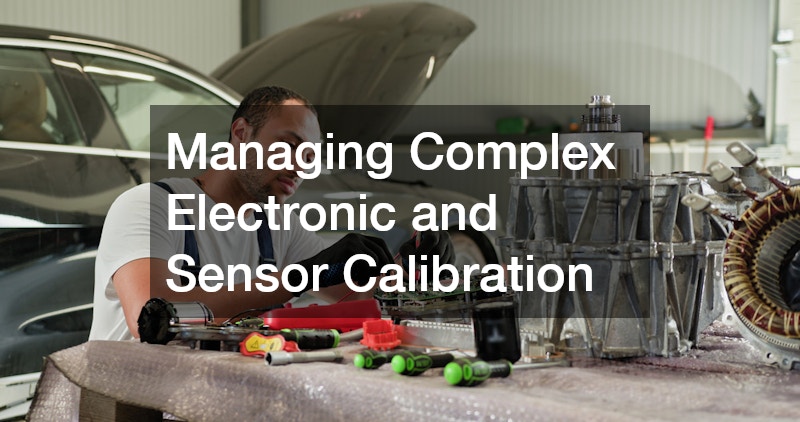
In the current automotive landscape, vehicles are no longer just mechanical machines; they are sophisticated mobile computers. Every bumper and mirror is likely housing a radar unit or camera that feeds data into the car’s Advanced Driver Assistance Systems. A minor tap that leaves no visible mark on the plastic cover can still jar a sensor out of its precise alignment, causing features like lane-keeping assist or automatic emergency braking to malfunction or fail.
The specialized nature of high-end vehicles makes this even more critical, as luxury brands often utilize proprietary sensor arrays and lightweight materials. If you are driving a precision-engineered vehicle, you must ensure that the technicians performing the diagnostics have the specific training and manufacturer-approved software required for European auto repair. Without these specialized tools, hidden electronic faults can remain buried in the car’s computer system until they trigger a dangerous error during a critical driving moment.
- Pre-repair diagnostic scans: Every modern car should undergo a full electronic scan before any work begins to identify “silent” error codes.
- Sensor recalibration: Even if a bumper isn’t replaced, any impact near a sensor requires a calibration check to ensure its field of vision is accurate.
- Component-specific diagnostics: Testing individual modules within the network to ensure communication speeds between the engine and safety sensors remain optimal.
Restoring Sub-Surface Structural Integrity
The structural integrity of a vehicle is designed around crumple zones that absorb energy. While the exterior might look intact, the frame rails or inner reinforcements may have suffered stress fractures, weakening the car’s ability to protect you in a future crash. A comprehensive collision repair goes beyond the cosmetic to verify that these underlying safety structures are still capable of performing their life-saving functions as originally intended by the manufacturer.
Even at low speeds, the force of an impact can travel through the chassis and cause minor shifts in the unibody. Professional shops use laser-guided measuring systems to ensure the car is perfectly square, as a discrepancy of just a few millimeters can lead to permanent handling issues. This level of precision is necessary to prevent the car from behaving unpredictably during high-speed maneuvers or emergency swerves.
- Structural measurement: Using specialized equipment to check for frame shifts that are invisible to the naked eye.
- Material-specific inspections: Checking high-strength steel and aluminum components for micro-cracks that compromise rigidity.
- Energy-absorption analysis: Verifying that impact bars and mounts have not been prematurely “set” or deformed by a previous minor jolt.
Mechanical Cascades Following an Impact
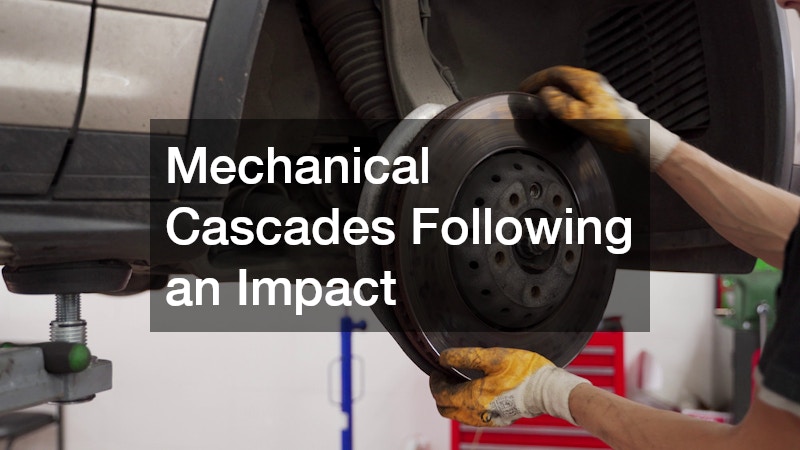
When a vehicle experiences a sudden jolt, the kinetic energy doesn’t just stop at the body panels; it travels through the entire drivetrain and suspension system. This energy can cause subtle shifts in alignment or lead to the premature failure of mechanical seals. Often, these issues do not cause immediate symptoms but lead to a “cascade” of wear that results in expensive repairs months down the line.
The braking system is particularly vulnerable to these hidden stressors. A hard impact can cause a hairline fracture in a brake line or lead to a slight warping of the rotors that only becomes apparent under high-speed stopping. Seeking a professional brake repair assessment after any significant jolt is a non-negotiable step for maintaining road safety, as it ensures the hydraulics and friction components are still operating within factory tolerances.
Similarly, the engine’s internal health can be affected by the sudden vibrations of a crash. A radiator or oil cooler might develop a pinhole leak that is too small to drip onto the driveway but large enough to slowly drain vital fluids over time. Maintaining your schedule for oil change services is more than just routine maintenance in this context; it provides a professional technician with a recurring opportunity to inspect the undercarriage for the telltale signs of post-accident fluid seepage.
- Suspension geometry check: An impact to a wheel can bend a control arm by just a few millimeters, leading to rapid tire wear and poor handling.
- Fluid line pressure tests: Ensuring that the cooling, steering, and braking lines haven’t developed slow leaks due to vibration.
- Mounting bracket inspection: Checking engine and transmission mounts for tears in the rubber that can cause excessive cabin vibration.
- Drivetrain vibration analysis: Identifying subtle shakes that could indicate a damaged CV joint or a bent driveshaft.
Preserving Aesthetic and Resale Value
The visual appeal of a car is often the first thing to suffer after an incident, but the damage to its value runs deeper than a few scratches. When a car’s paint or clear coat is compromised, the underlying metal or composite material is exposed to the elements. Without immediate intervention, environmental factors like road salt, moisture, and UV rays will begin to degrade the car’s exterior, leading to rust or oxidation that is far more expensive to fix than a simple scratch.
Professional restoration involves more than just a quick spray of paint. High-quality auto body repair involves stripping the damaged area, treating the substrate to prevent corrosion, and using advanced color-matching technology to ensure the new finish is indistinguishable from the factory original. This level of craftsmanship is essential for maintaining the car’s resale value, as uneven panel gaps or mismatched paint are immediate red flags to future buyers.
To further protect a freshly repaired exterior, many owners are turning to advanced chemical barriers. Utilizing professional ceramic coating services after a repair creates a semi-permanent hydrophobic layer that bonds with the new paint. This protective shield not only makes the car easier to clean but also helps prevent the minor abrasions and chemical etchings that can make a repaired car look aged prematurely.
Coordinating Secure Transport and Initial Logistics

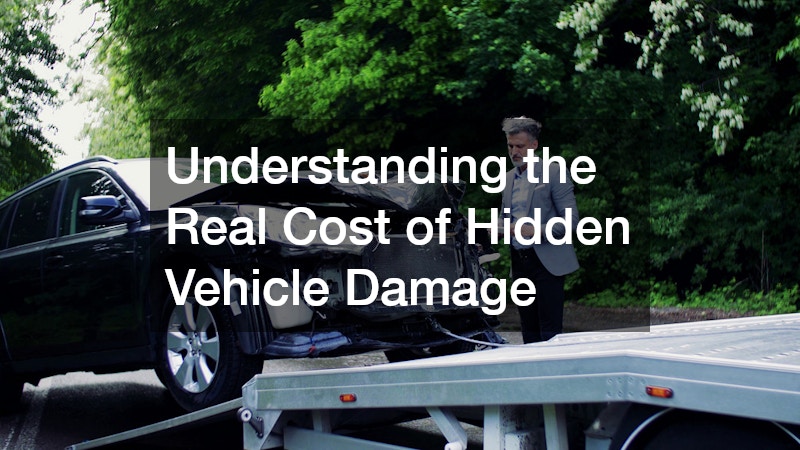
The immediate moments following a roadside incident are often chaotic, yet the decisions made during this window set the tone for the entire restoration process. Safely moving a disabled vehicle requires more than just a truck and a hook; it necessitates a technical understanding of modern drivetrain configurations to avoid compounding the existing mechanical issues.
Engaging reputable towing companies is a critical first step because improper hauling techniques can lead to drivetrain failures that are far more expensive than the initial body damage. For instance, flatbed transport is essential for many modern luxury and all-wheel-drive cars to prevent internal transmission stress that occurs when the drive wheels remain on the asphalt during transit.
Once the vehicle is stabilized and moved to a secure facility, the focus shifts to a comprehensive intake evaluation. This is the ideal time to establish a baseline for the car’s health, ensuring that any auto insurance claims filed later are supported by immediate, on-site documentation of the vehicle’s condition before it is disassembled for parts.
- Requesting a flatbed: Always specify your vehicle’s drive type when calling for assistance to ensure the correct equipment is dispatched to your location.
- Scene photography: Capture high-resolution images of the vehicle from all angles, including the ground underneath, to document fluid leaks.
- Secure storage: Ensure the destination facility is fenced and monitored to prevent secondary loss from weather or theft while awaiting an adjuster.
- Dashboard documentation: Photograph any warning lights or error messages that appear immediately after the impact occurs.
Advocating for Comprehensive Claim Coverage
Navigating the administrative side of a vehicle recovery requires a strategic approach to communication and documentation. Insurance companies often rely on automated systems to estimate repair costs, which frequently miss the nuanced mechanical or electronic failures that only a human technician can identify during a deep-dive inspection.
Professional insurance brokers serve as vital allies during this phase, helping you interpret the specific language of your policy and advocating for a thorough repair. These experts can help you push for the inclusion of hidden damage—such as internal sensor faults or suspension shifts—that an initial visual estimate might have conveniently excluded to keep costs low.
Furthermore, it is essential to work with a shop that understands how to provide the “burden of proof” required by the carrier. When a technician discovers an internal fracture or a compromised safety module, they must document it as an auto repair directly related to the claim event. This technical paper trail ensures that your insurer covers the full cost of restoration rather than leaving you to pay for “wear and tear” that was actually caused by the impact.
- Maintaining a claim log: Document every phone call, name, and claim number provided by your insurance representative for quick reference.
- OEM part requests: Advocate for the use of original parts rather than cheaper aftermarket alternatives to ensure safety systems remain compatible.
- The supplement process: Be prepared for your shop to file additional claims as they uncover deeper issues during the teardown of the vehicle.
- Understanding policy limits: Review your coverage details to ensure you are utilizing all available benefits, such as rental car reimbursement or diminished value compensation.
Ensuring Long-Term Reliability and Peace of Mind

The final stage of addressing hidden vehicle damage is the verification that all systems are back to peak performance. This “quality assurance” phase is often rushed, but it is the most important step for long-term peace of mind. A car that has been properly repaired should drive, sound, and feel exactly as it did before the incident.
General auto repair shops that take a holistic view of the vehicle are often better equipped for this than those that focus solely on “slamming” on new body panels. A great shop will perform a rigorous test drive that includes highway speeds and varied road surfaces to check for wind noise, vibrations, or tracking issues. They will also perform a final electronic sweep to ensure no new error codes have been triggered during the reassembly process.
- Final diagnostic sweep: A “post-scan” confirms that all sensors have been reconnected and calibrated correctly after the bodywork was completed.
- Four-wheel alignment: Every major body repair should end with an alignment to ensure the vehicle is traveling straight and not “dog-tracking.”
- Seal and leak testing: Checking for wind whistles around new glass and water leaks around new trunk or door seals.
- Consumer advocacy: Don’t be afraid to take the car back if something feels “off” in the weeks following the repair.
The hidden costs of a vehicle accident are manageable, but only if you approach the situation with a clear strategy and a team of qualified professionals. By prioritizing deep diagnostics over quick cosmetic fixes, you protect your car’s safety, its value, and your own financial well-being. A vehicle is one of the most significant investments you will make, and ensuring its structural and mechanical integrity is the only way to keep it on the road for the long haul.
Understanding the difference between a car that looks fixed and a car that is truly repaired is the hallmark of a savvy owner. By taking the time to vet your service providers and insisting on a thorough inspection of every hidden system, you transform a stressful accident into a well-managed restoration. This proactive approach ensures that when you get back behind the wheel, you do so with the confidence that your vehicle is as safe and reliable as the day you first drove it off the lot. Taking these extra steps may require more effort in the short term, but the long-term rewards of safety and vehicle longevity are well worth the investment.