Keeping a vehicle road-ready involves more than responding when a warning light appears or scheduling an annual service appointment. Personal and commercial vehicles face different demands, but both require consistent attention to mechanical condition, exterior wear, cargo, equipment, and operating environments.
For businesses, vehicle readiness can also affect scheduling, productivity, customer service, and operating costs. A breakdown can interrupt deliveries or leave employees without the transportation they need to complete their work. Personal vehicle owners face similar inconveniences when a mechanical issue disrupts commuting, errands, family responsibilities, or travel.
A practical approach starts with understanding how each vehicle is used and building maintenance habits around those demands. From routine inspections and cargo management to parking areas and specialized equipment, several straightforward strategies can help keep vehicles dependable and prepared for the road.
Start With a Clear Maintenance and Usage Plan

The first step toward vehicle readiness is understanding how each vehicle is actually used. A car that primarily handles short commutes has different maintenance demands than a pickup used for towing, while a commercial truck traveling hundreds of miles each week needs a more rigorous inspection schedule. Review mileage, driving conditions, cargo demands, and the vehicle’s age when creating a maintenance plan.
Keep service information together rather than relying on memory. A simple digital or paper record can show when oil was changed, tires were replaced, brakes were inspected, or recurring concerns were addressed. When purchasing or replacing vehicles, auto dealers may also provide information about maintenance schedules and vehicle capabilities.
Useful planning steps include:
- Record mileage after significant service.
- Schedule routine maintenance before it becomes overdue.
- Note unusual noises, vibrations, or warning lights.
- Review towing and payload requirements before using a vehicle for demanding work.
- Keep registration, insurance, and inspection documentation current.
A consistent schedule makes vehicle care proactive instead of reactive. It also gives owners a clearer picture of when a vehicle may require more extensive repairs or eventual replacement.
Protect Vehicle Appearance and Exterior Condition
A vehicle’s exterior deserves regular attention because visible damage can sometimes point to problems that extend beyond appearance. Scratches, peeling finishes, exposed metal, and corrosion can become more difficult to address when they are ignored. Commercial vehicles may require additional attention because their appearance can also affect how a business presents itself to customers and other drivers.
Wash vehicles regularly, particularly after exposure to road salt, mud, chemicals, or other contaminants. During cleaning, look closely at body panels, mirrors, lights, trim, and areas around wheel wells where dirt and moisture can accumulate. Commercial operators should also inspect branding and painted surfaces for fading or damage.
For larger vehicles, professional refinishing may become appropriate when the existing finish has extensive wear. Semi truck painting, for example, can address larger exterior surfaces that have become faded, damaged, or inconsistent over time.
Before arranging exterior work:
- Identify areas affected by corrosion or peeling.
- Photograph significant damage for maintenance records.
- Determine whether individual panels or larger areas require attention.
- Check whether lighting and reflective components remain visible.
- Consider how the vehicle will be used while repairs are being completed.
Maintaining the exterior helps preserve the vehicle’s condition while making developing problems easier to spot.
Address Minor Damage Before It Spreads
Small dents and dings are easy to overlook, especially when a vehicle accumulates them through normal parking and daily driving. However, damaged paint or exposed surfaces can create opportunities for moisture and contaminants to affect the underlying material. Regular inspections make it easier to identify these problems before they become more extensive.
Walk around each vehicle periodically and inspect doors, bumpers, fenders, tailgates, mirrors, and other areas that are vulnerable to minor impacts. Pay particular attention to damage that occurred recently, since fresh dents can sometimes be addressed before additional deterioration occurs. Keeping photographs of the vehicle’s condition can also help distinguish new damage from older marks.
For appropriate types of dents, paintless dent removal services can sometimes restore the shape of a panel without requiring conventional refinishing. The suitability of this approach depends on factors such as the dent’s location, size, depth, and whether the paint remains intact.
When reviewing exterior damage:
- Look for cracked or chipped paint around dents.
- Check whether panels remain properly aligned.
- Inspect doors and hatches for normal operation.
- Address damage that interferes with lights or visibility.
- Ask a qualified repair professional to assess uncertain damage.
Prompt attention can help keep minor exterior issues from becoming larger maintenance concerns.
Keep Cargo Secure and Properly Organized

Cargo management is an important part of keeping both personal and commercial vehicles ready for use. Loose items can shift during braking or turning, damage the vehicle interior or bed, and create hazards if they interfere with visibility or vehicle controls. Commercial operators may also need to consider protecting equipment and products from weather exposure.
Pickup owners may also use tonneau covers as part of a broader cargo-management strategy. Depending on the design, a cover can help shield items from weather and provide a more organized truck bed.
Good cargo habits include:
- Distribute weight appropriately.
- Secure heavy or unstable items.
- Keep emergency equipment accessible.
- Remove unnecessary objects from the vehicle.
- Check tie-downs and storage hardware for wear.
Cargo should be inspected whenever the load changes significantly. Taking a few minutes to organize everything before departure can make driving more predictable and reduce the chance of objects shifting unexpectedly.
Match Trailers and Towing Equipment to the Job
Towing places additional demands on a vehicle, which makes proper equipment selection especially important. Before connecting a trailer, verify the vehicle’s towing capacity and compare it with the loaded trailer’s weight.
Utility trailers can serve many purposes, from transporting landscaping equipment to moving materials or recreational gear. Their versatility makes routine inspections particularly important because the same trailer may be used for very different loads. Never assume that an empty trailer and a fully loaded trailer place the same demands on the towing vehicle.
Before each significant towing trip, inspect:
- Trailer tires for proper inflation and visible damage.
- Brake components when the trailer is equipped with them.
- Lights, wiring, and electrical connections.
- Couplers, pins, safety chains, and hitch hardware.
- Cargo tie-downs and weight distribution.
- The trailer’s doors, ramps, and other moving components.
Proper preparation can make towing more controlled and reduce avoidable equipment problems.
Check Critical Fluid Levels Before Long Trips
Fluid checks are a simple but important part of vehicle preparation. Engine oil, coolant, brake fluid, transmission fluid, windshield washer fluid, and other fluids may require periodic inspection depending on the vehicle. Low levels can sometimes indicate a leak or developing mechanical issue rather than simply normal consumption.
Check fluid levels according to the manufacturer’s instructions and only when the vehicle is in the appropriate condition for the inspection. Some systems require the engine to be cool, while others have specific procedures for obtaining an accurate reading.
A level gauge can also be useful when monitoring certain tanks, reservoirs, or equipment systems. The specific reading method varies by vehicle and component, so operators should understand what normal readings look like.
A practical fluid-check routine should include:
- Looking for visible leaks underneath the vehicle.
- Checking fluid condition when appropriate.
- Reviewing manufacturer-recommended service intervals.
- Confirming that caps and reservoirs are properly secured.
- Investigating unexplained changes in fluid levels.
Regular checks are particularly valuable before long trips or heavy-duty use. Identifying a low level or leak while still at home or a maintenance facility is generally more manageable than discovering the same problem during a trip.
Reduce Downtime With Better Auxiliary Equipment Planning
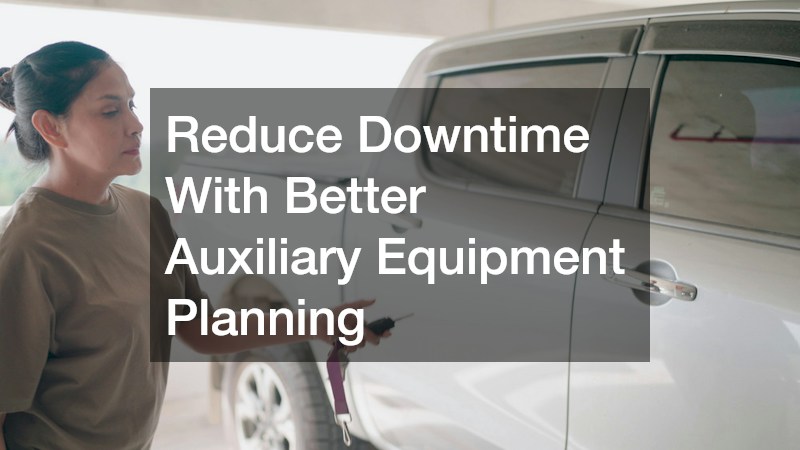
Commercial vehicles often use equipment beyond the basic drivetrain, and those components require attention too. Auxiliary systems can improve operational flexibility, but neglecting them can create another source of unexpected downtime.
When evaluating a used APU for semi trucks, review its service history rather than focusing only on purchase price. Operating hours, previous repairs, component condition, installation compatibility, and access to replacement parts can all affect whether the equipment is practical for a particular truck.
Before putting auxiliary equipment into regular operation:
- Review available maintenance records.
- Inspect belts, hoses, connections, and mounting hardware.
- Confirm compatibility with the vehicle.
- Check for unusual noises, leaks, or performance problems.
- Identify a maintenance schedule based on operating hours.
- Determine whether replacement parts remain readily available.
Treating auxiliary systems as part of the vehicle rather than as separate accessories creates a more complete approach to readiness and can make operational problems easier to identify.
Prepare Commercial Vehicles for Demanding Hauling Conditions
Commercial vehicles that routinely transport cargo experience stresses that personal vehicles may rarely encounter. Longer distances, heavier loads, frequent stops, highway driving, difficult terrain, and changing weather can all affect maintenance needs. A vehicle used for freight hauling should therefore receive inspections based on its actual workload rather than a generic schedule alone.
Before a demanding trip, inspect the areas most likely to affect safe operation and reliability. Tires deserve particular attention because incorrect inflation, uneven wear, or damage can become serious concerns under heavy loads.
A pre-trip inspection can cover:
- Tire pressure, tread, and visible damage.
- Brake condition and warning indicators.
- Suspension components and unusual ride changes.
- Headlights, brake lights, and turn signals.
- Mirrors, windshield, and wipers.
- Fluid levels and visible leaks.
- Cargo securement and weight distribution.
Drivers should also account for the route itself. Mountainous roads, extreme temperatures, construction zones, and long stretches between service facilities can change how a vehicle should be prepared.
Keep Parking and Access Areas Organized
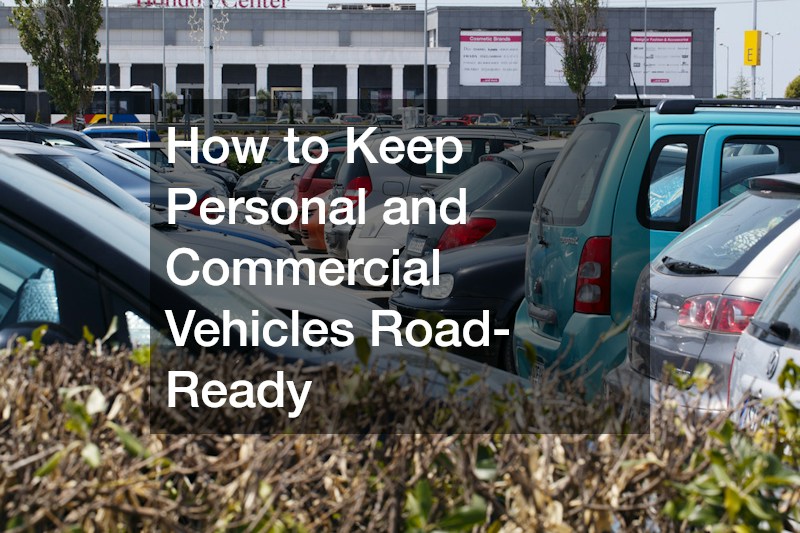
Vehicle readiness does not depend entirely on the condition of the vehicle itself. The areas where vehicles park, load, unload, and move around can influence the likelihood of collisions, confusion, and access problems. Businesses with frequent vehicle activity should periodically examine whether parking areas still reflect how the property is being used.
Parking lot striping can become less visible because of weather, traffic, resurfacing, or ordinary wear. Property managers should inspect markings periodically and address areas where lines or symbols have become difficult to see.
Useful maintenance practices include:
- Walk the property regularly to identify faded markings.
- Keep loading and emergency access areas unobstructed.
- Check whether traffic patterns have changed.
- Trim vegetation that blocks signs or markings.
- Review whether new equipment or building changes affect vehicle movement.
An organized parking environment gives drivers clearer visual information. That can be especially valuable at facilities where personal vehicles, delivery trucks, employees, customers, and pedestrians share the same space.
Use Clear Controls to Manage Vehicle Movement
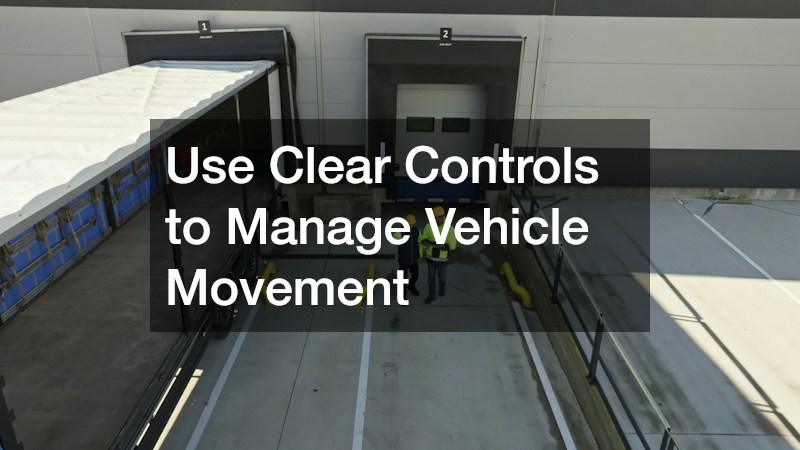
A road-ready vehicle still needs to operate within an environment that communicates expectations clearly. Drivers may encounter entrances, exits, intersections, loading zones, pedestrian crossings, restricted areas, and temporary hazards throughout their daily routines. Clear visual controls can help people understand how traffic is supposed to move through these areas.
A traffic control device may include signs, signals, pavement markings, barriers, or other equipment used to direct drivers and pedestrians. The appropriate choice depends on the environment, traffic volume, visibility, and specific movement that needs to be managed.
When reviewing traffic controls:
- Place signs where drivers have adequate time to respond.
- Keep signs visible and free from obstructions.
- Replace damaged or difficult-to-read equipment.
- Use consistent markings throughout a property.
- Review temporary controls when construction or events change traffic patterns.
- Consider pedestrians as well as vehicle operators.
Controls should support an understandable flow rather than create unnecessary confusion. Property owners and fleet operators can periodically walk through common routes from the driver’s perspective to identify areas where instructions are unclear.
Keeping personal and commercial vehicles road-ready is an ongoing process built around preparation, inspection, and timely maintenance. The most useful habits are often straightforward, such as keeping accurate service records, checking fluids and tires, securing cargo, inspecting towing equipment, and addressing exterior damage before it becomes more difficult to manage. Commercial operators may need additional attention to auxiliary equipment, heavy-duty components, and the conditions associated with frequent or extended driving.
Rather than waiting for a breakdown or obvious equipment failure, vehicle owners and operators can build readiness into their regular routines. Consistent inspections and practical planning make it easier to identify developing concerns, prepare for demanding trips, and keep vehicles available for the work and transportation responsibilities they are expected to handle.